

A complete guide
to fuel efficiency for
refrigerated transport in 2026
Fuel has always been a volatile commodity. In the last ten years, we’ve seen it hit both historic highs and lows. Overall, it’s been slowly trending upwards – but steep rises do, and will, continue to happen.
To protect yourself and your fleet from this volatility, you need both long-term solutions and easily implemented fixes that lower fuel consumption, and you need them now. This article gathers fuel facts and our best tips to optimize fuel efficiency in refrigerated transport, so you can stay resilient and competitive, even in volatile times.
Do you understand your fuel consumption?
When looking to lower your fleet’s fuel consumption, the fuel costs of your vehicles are probably the first thing you think of. But even if your fuel-driven refrigeration equipment is not the main source of your fuel spend, its costs do add up.
Small reductions in fuel use can result in significant savings
# number of units
20
Running hours/year
200
Fuel price
€ 1.86
Unit lifespan (in years)
7
Total fuel cost
€ 1 041 600
10% reduction in fuel use can save up to
€ 104 160*
Disclaimer: Calculation based on an average consumption of 2 L/running hour 20 x 2000 x 2 x € 1.86 x 7 = € 1041600.
€1,86 = average price of diesel in the EU on 21/5/2026
.
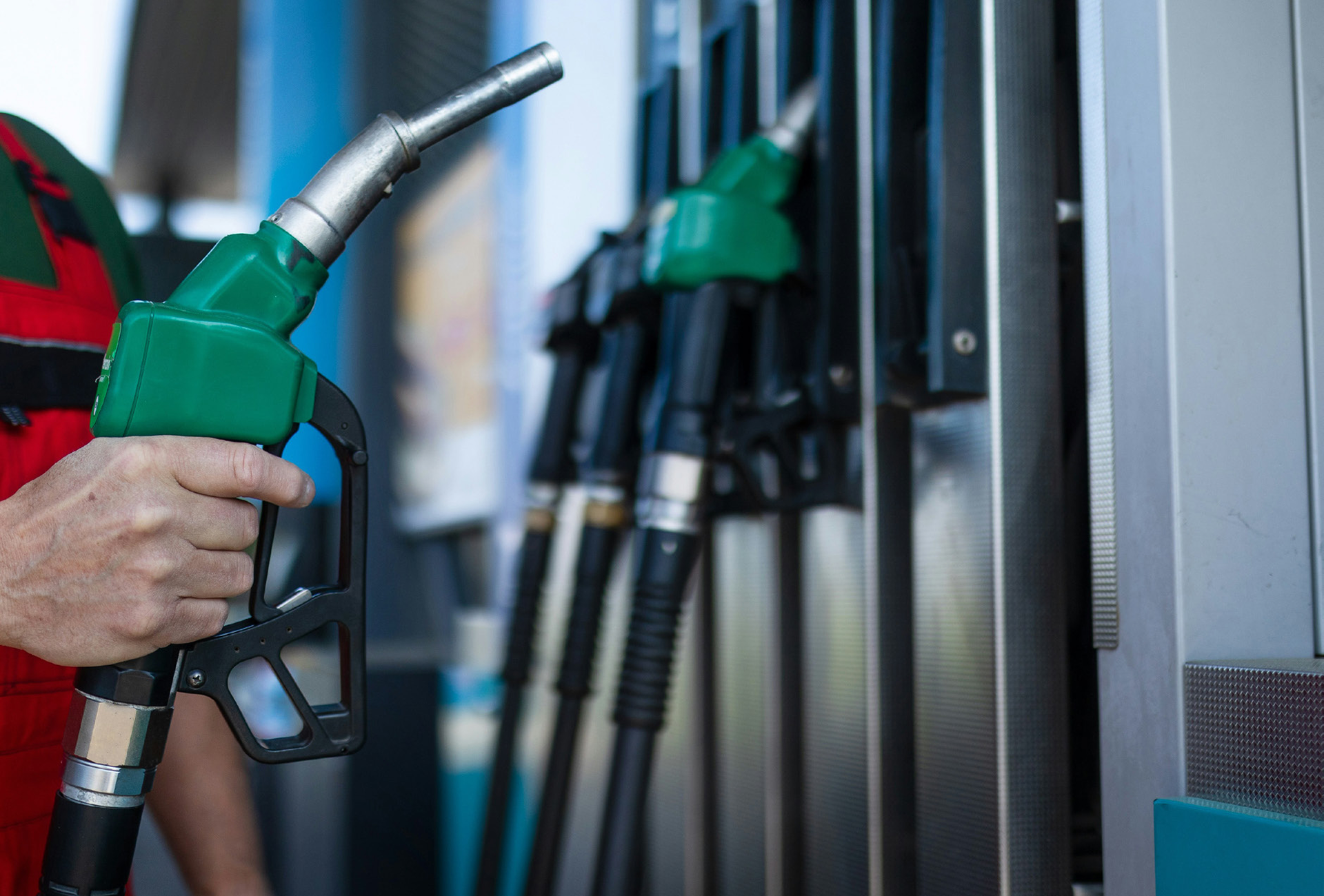
How can you avoid wasting fuel?
So, how do you make your fleet more fuel efficient? There’s no doubt it’s a challenge, but there are lots of steps you can take to make your fuel costs go down. We’ve gathered 5 tips below!
1. Optimize your routes for more efficient fuel consumption
What’s most likely to increase fuel consumption? Easy, you’d think – spending more time on the road. Not necessarily. Even though a certain route might be shorter, that doesn’t necessarily mean it’s more fuel-efficient.
By gathering and analyzing data on your delivery routes, you can identify those routes that are taking deeper bites out of your fuel budget. Routes that make your vehicle use more fuel by driving uphill or idling the diesel engine, routes that make your refrigeration equipment work harder, or routes where your vehicle simply does more miles.
Once you’ve gathered all this data, you can take steps to improve your routes and increase your fleet fuel efficiency.
2. Train your drivers in eco driving
Over time, driving styles can have a tremendous impact on your fuel consumption. Promoting so-called ‘eco driving’, which emphasizes fuel-efficient driving, can achieve real, tangible results. The data you’ve gathered to analyze your route can be repurposed here: by analyzing driver behavior and identifying styles that consume more fuel, you can take corrective action.
3. Avoid extra runtime to keep your unit’s fuel consumption low
We’ve already touched on vehicle idling above, but the same is true for your refrigeration units. By keeping them running unnecessarily, you’re literally burning money. It’s important to minimize the amount of time your refrigeration unit has to spend actively pulling down temperature. Common sources of wasted fuel include:
Frequent door openings
- Keeping your unit on and actively running while your vehicle’s doors are open is a bit like turning on the air conditioning with open windows. It’s wasted energy, and thus, wasted money. Upgrading your vehicle with Thermo King’s electronic door switches will automatically turn off the unit when the doors are open.
- Frequent door openings also mean all the cold air in your trailer escapes, and ambient air gets in. That means the unit has to work harder to get the temperature down again once you’re on the road. Simple solutions, like an energy curtain, can eliminate this problem almost completely and minimize the work done by your cooling unit.
Unit operating mode not optimized for your cargo
- Not every load needs constant cooling. Make sure to select the best operating profile for your cargo: continuous cooling for high-value loads, or cycle sentry for less sensitive cargo.
For Advancer, you can make your cooling even more fuel-efficient.
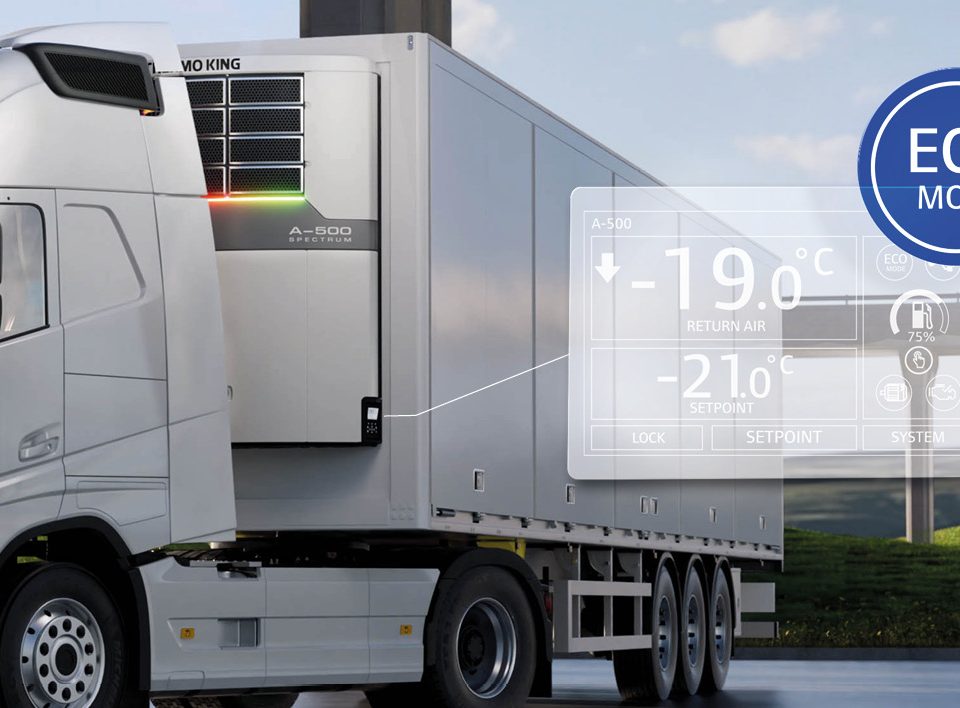
- A recent software addition introduced ECOmode, which limits temperature deviations from the set point and ensures sequential airflow for optimal cargo-protection. ECOmode reduces fuel consumption by up to 50% compared to continuous operation, but offers significantly tighter temperature control than CycleSentry.
By making sure you are driving as efficiently as possible, you can minimize the impact of higher fuel prices on your fleet. Not leveraging ECOmode.
4. Optimize your cargo loading
Speaking of cargo, there’s another factor in your fuel consumption you might not be considering: loading. The way you distribute your cargo in your trailer box can have a big impact on the running costs of your refrigeration unit – not to mention the integrity of your load.
Avoiding blocked airflow increases your cooling efficiency, as does placing the cargo that needs to be kept the coldest closest to your evaporator. Here are a few simple tips and tricks:
- Ensure your loads are packaged correctly: provide sufficient airspace between individual items, and avoid airflow restrictions. More efficient cooling, less fuel consumption, and optimal load protection!
- Cool your loads before transport. Refrigeration units are designed to maintain temperature, not to pull down warm cargo. Ensuring goods are pre-cooled before loading reduces the energy required during transport, allowing the system to operate more efficiently.
- Stack your load and pallets, and make sure they’re not stacked too high. If your cargo is too tall, it will block airflow and endanger your entire load – leading to wasted fuel and damaged cargo.
- Make sure the floor is free of debris to keep the air flowing well and increase efficiency.
5. Choosing the right equipment can save money in the long run
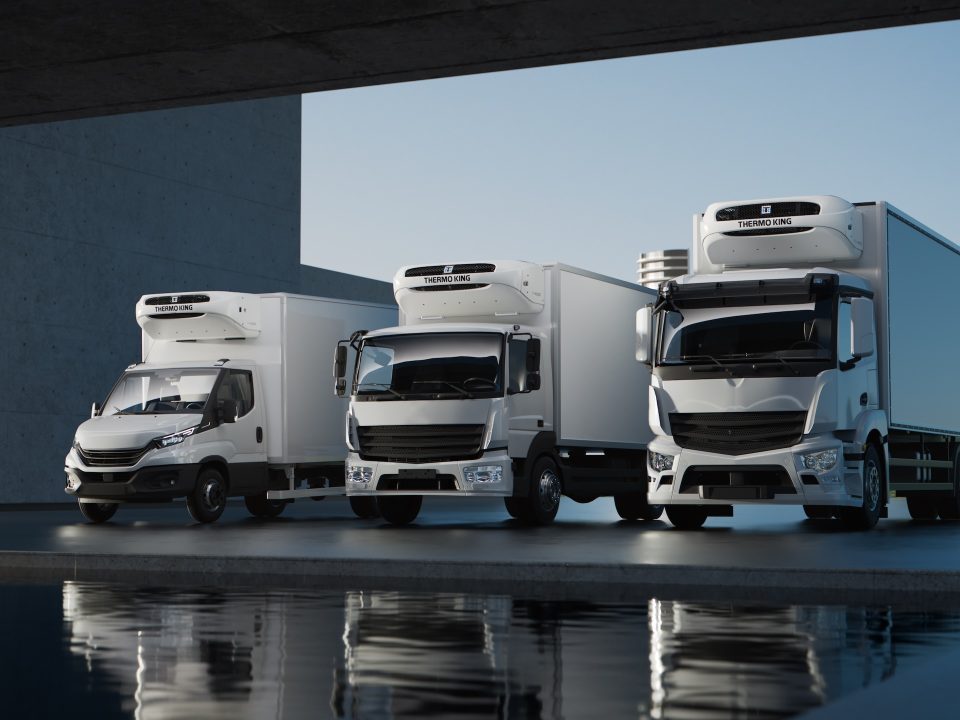
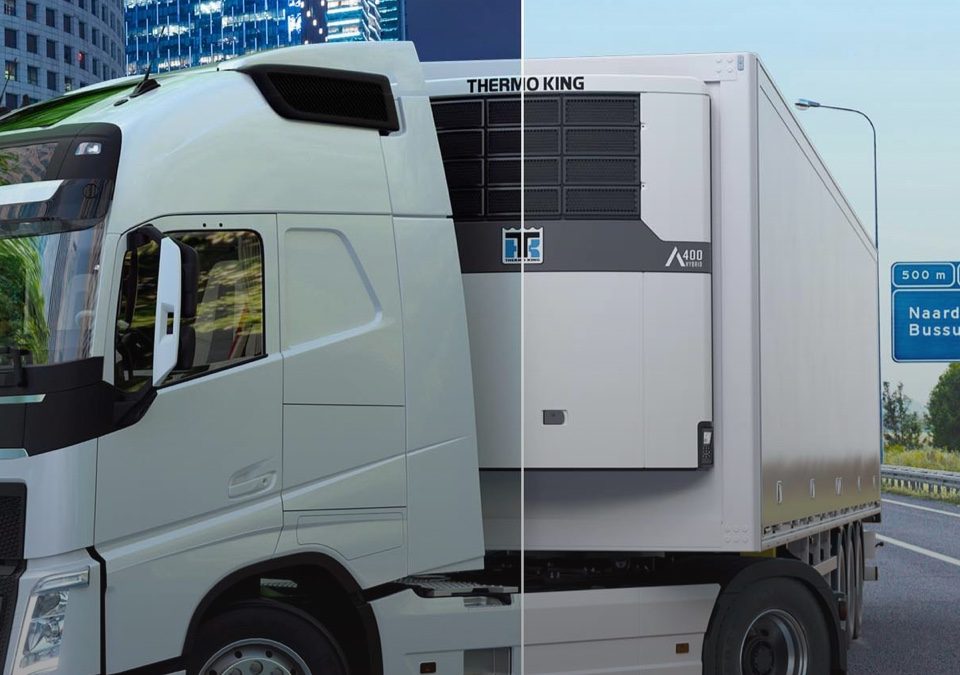
So far, we’ve mostly highlighted low-cost or behavioral interventions. However, it’s important to consider that your equipment might simply be outdated or the incorrect choice for your needs. Purchasing a new refrigeration unit may sound like a significant investment, but the potential long-term savings far outweigh the initial cost. Below, you’ll find an initial overview of Thermo King’s cost-efficient units. If you don’t find what you’re looking for, remember you can always reach out to your local Thermo King dealer.
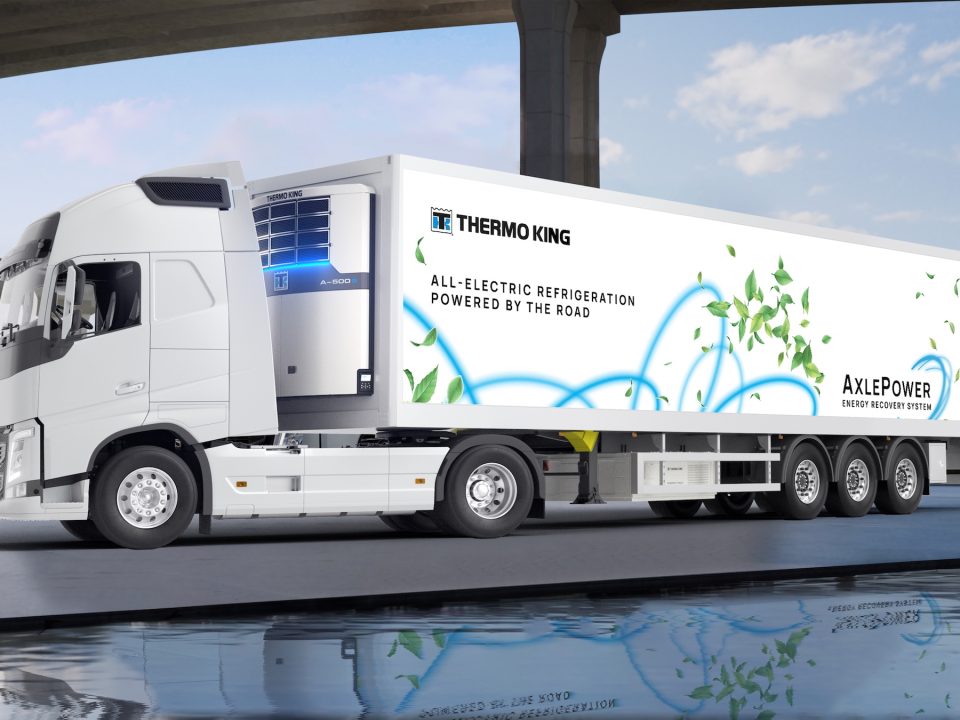
If purchasing still seems like too drastic a change, you can always opt for renting instead. Thermo King has fully equipped AxlePower trailers available for rent – enabling you to make the full switch to electric without any financial risk.
However, there are other steps you can take to reduce your fuel consumption, without equipping your vehicle with a new unit. Solutions like additional battery packs or the energy recovery system AxlePower can drastically lower and even outright eliminate the need for petrol or diesel to run your refrigeration systems. Thermo King has a wide range of solutions available, both as direct purchases or as rental packages. Let’s explore below.
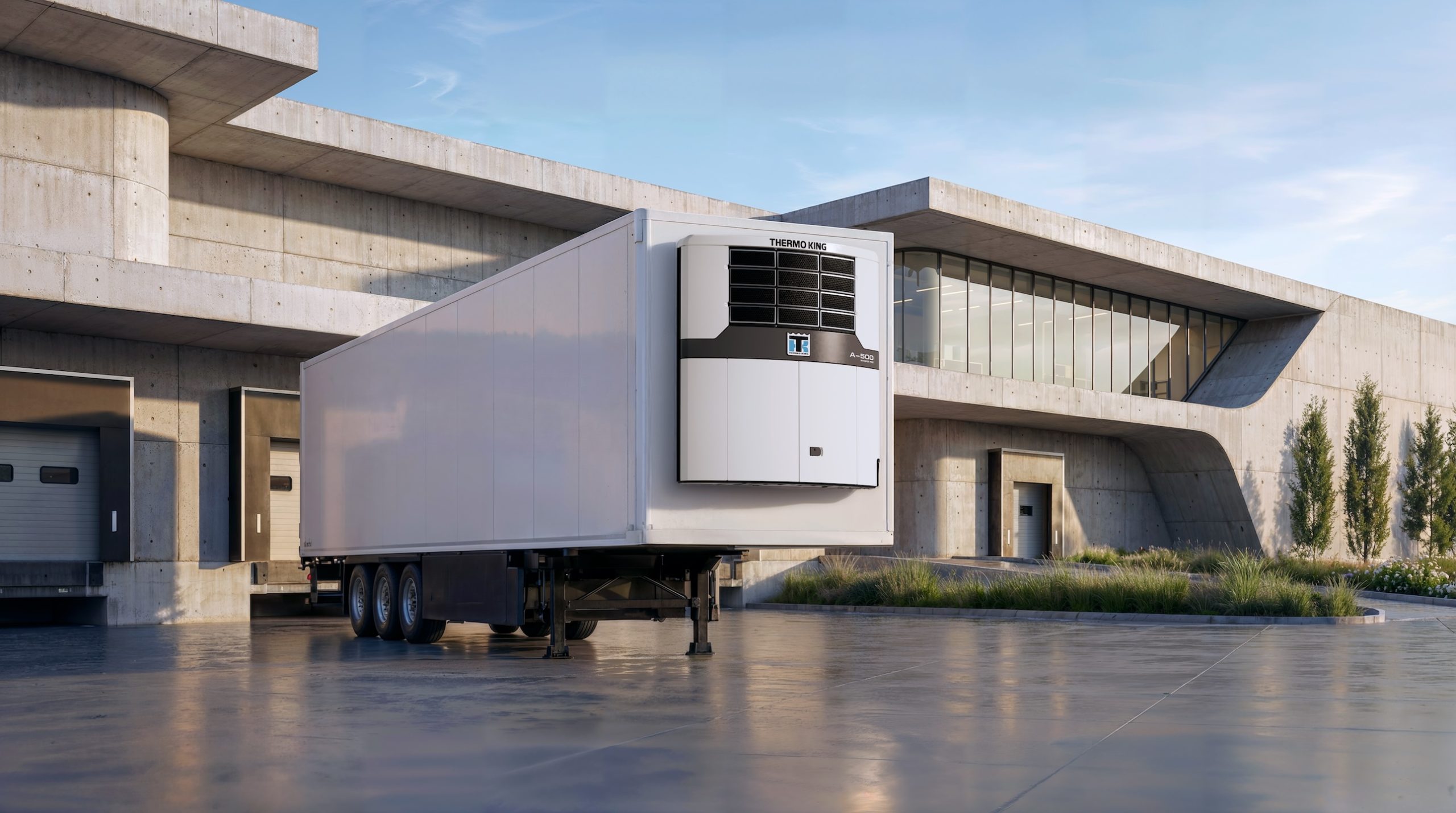
More tips and tricks to
lower fuel consumption


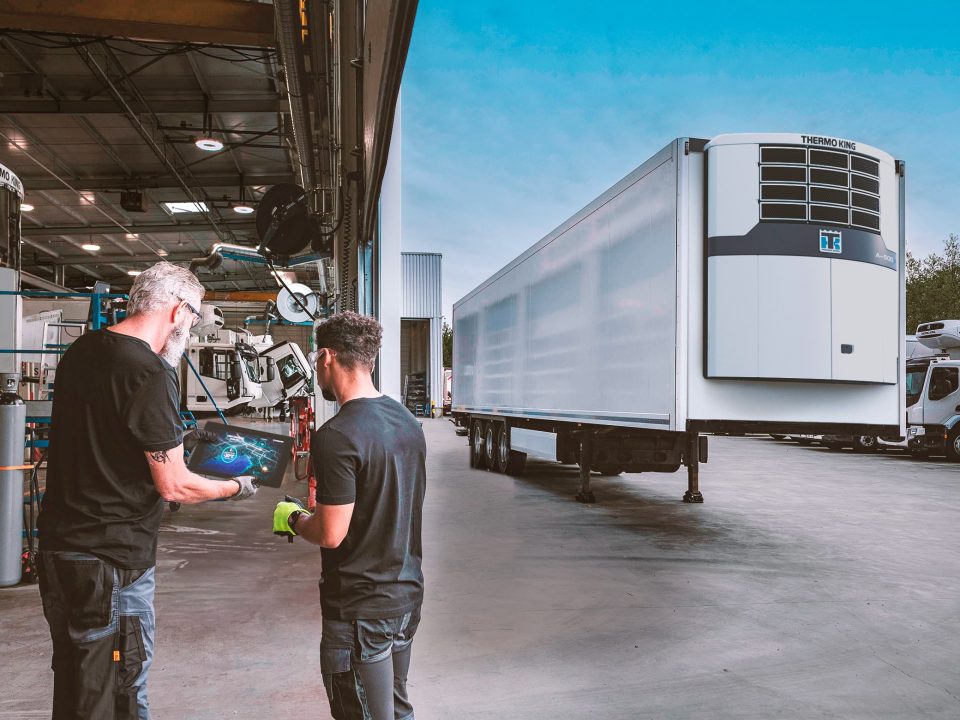
Ready to deploy products & solutions
to optimize your fuel efficiency
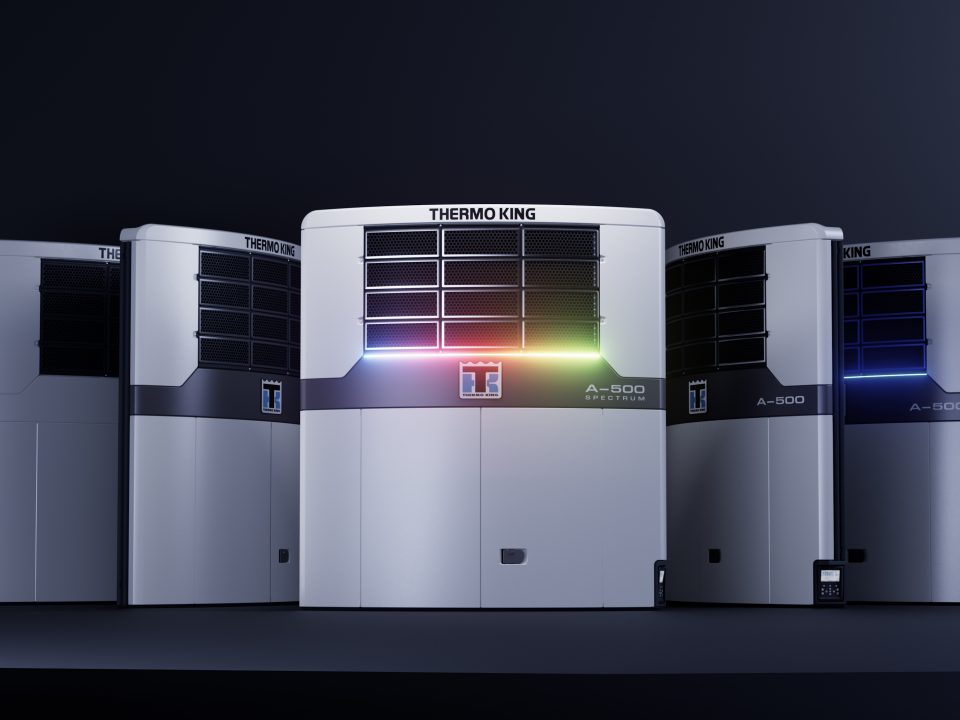




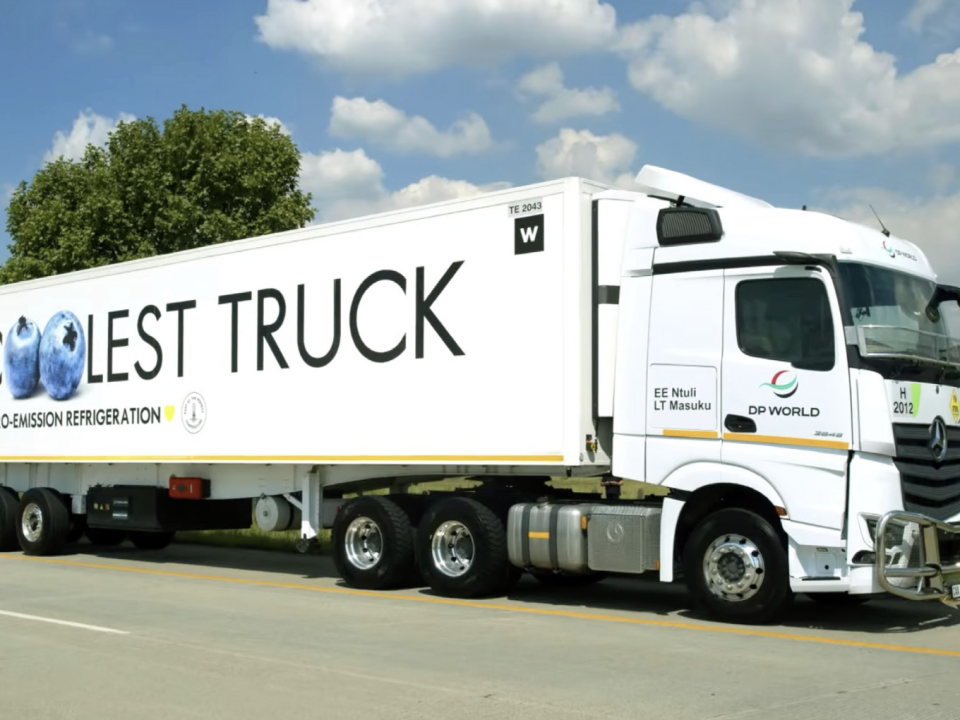
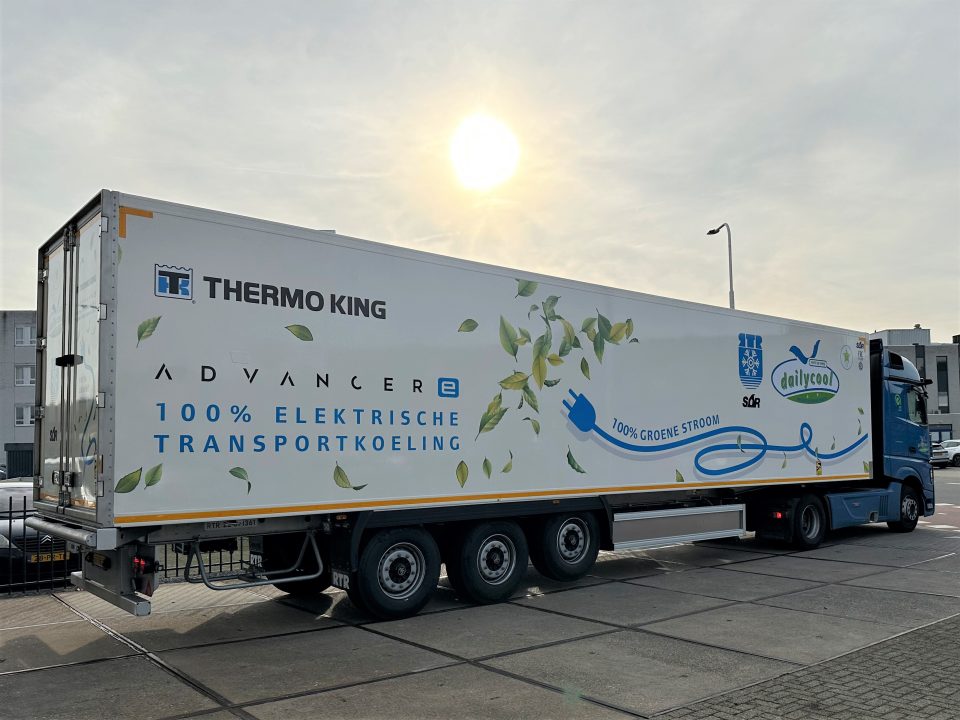
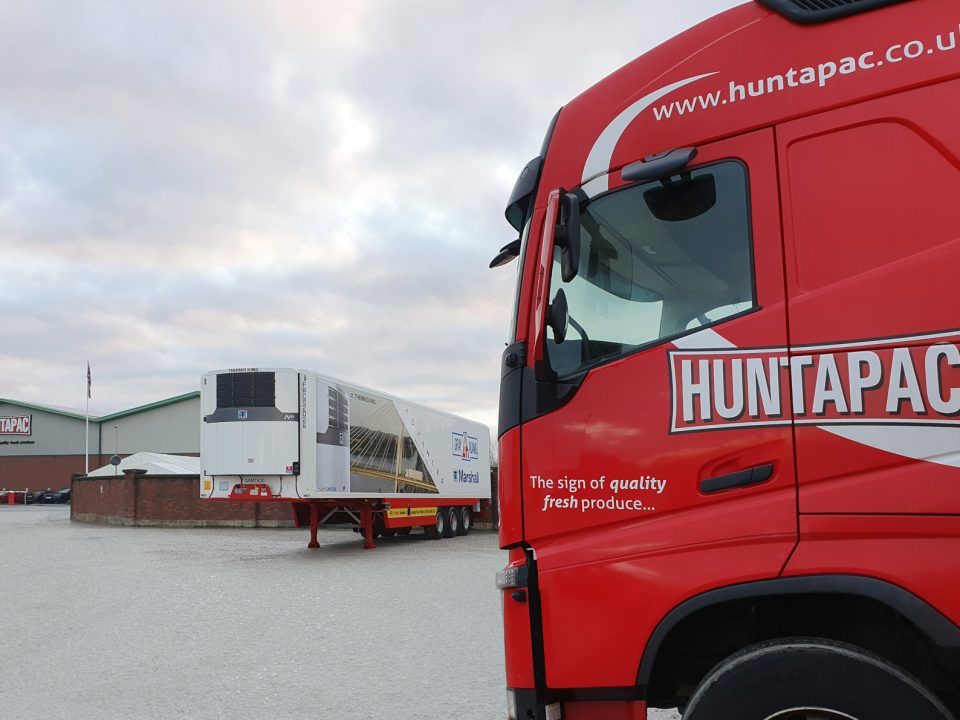
How are other fleets
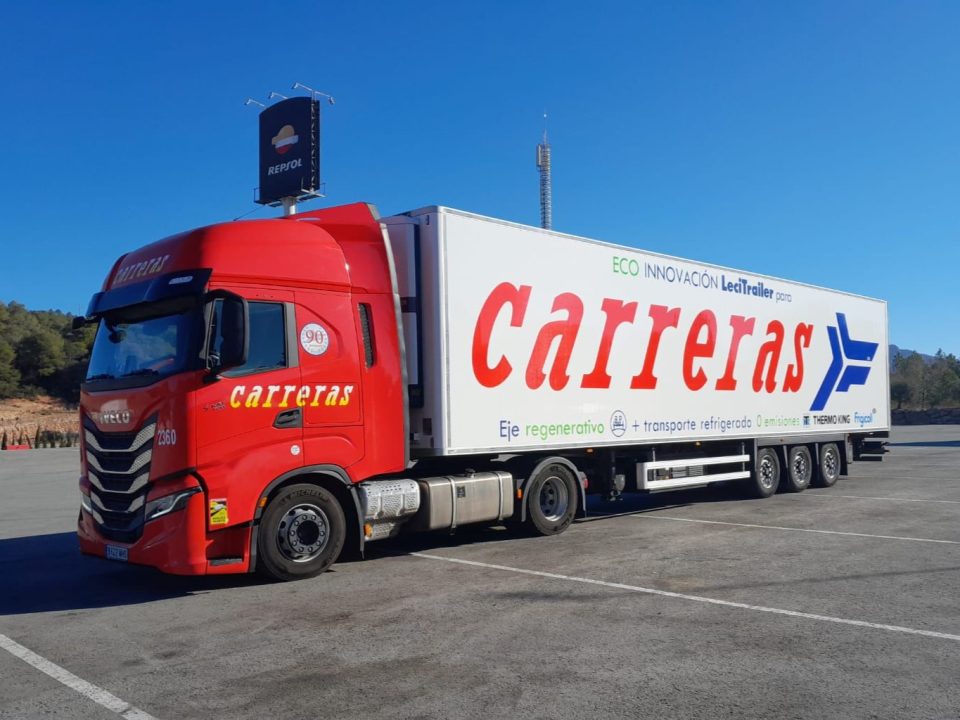
optimizing their fuel economy?
FAQ
Is going electric the only way to reduce fuel costs?
Not at all. While going electric is the only way to completely eliminate fuel costs, there are plenty of steps you can take to lower your fleet’s fuel costs. This article contains several tips and links to more ideas!
How does thermal load impact fuel efficiency?
Cargo loads that need colder temperatures or constant cooling will use more fuel than cargo loads that need less supervision. Still, there are steps you can take to minimize the fuel used by demanding loads without impacting integrity or quality, like optimal loading, limiting the unit’s runtime with accessories, and investing in alternative power sources.
Does fuel efficiency impact reliability?
No, it does not. None of our tips will have any impact on your fleet’s reliability!